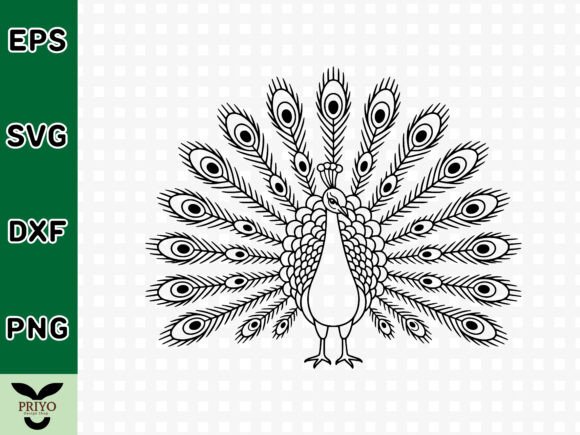
Beautiful Peacock with Spread Feathers
As a designer who’s stitched over 300 custom embroidery projects—from boutique baby blankets to Etsy best-selling tote bags—I opened Beautiful Peacock with Spread Feathers expecting elegance. What I found was more nuanced: a design that breathes like hand-drawn art but demands thoughtful execution. It’s not just pretty—it’s *presentational*. And that makes all the difference when you’re building trust with customers or pricing a handmade product.
A First Stitch Tells the Story
The moment you preview Beautiful Peacock with Spread Feathers, you feel its rhythm: long, graceful curves in the tail feathers; soft, organic spacing between eye spots; a confident, centered head that avoids stiffness. This isn’t a clip-art peacock—it’s a machine embroidery design with compositional awareness. The layout naturally guides the eye from crown to tip, making it ideal for vertical applications: think pillow covers, tea towels, or the back panel of a relaxed-fit sweatshirt. I immediately pictured it on a natural linen apron for a local kitchenware shop—elegant but grounded, not fussy.
Where It Shines (and Where It Asks for Help)
Beautiful Peacock with Spread Feathers excels in mid-to-large scale embroidery projects where clarity and presence matter. On a heavyweight cotton tote bag? Stunning. The feather outlines hold crispness, and the fill stitch areas translate beautifully into rich texture without oversaturation. On a unisex crewneck sweatshirt? It reads as intentional craftsmanship—not a generic graphic slapped on fabric. Customers notice that distinction. One Etsy seller told me her buyers specifically mentioned “the peacock feels *alive*”—a testament to how well the line weight and negative space balance in this design.
But here’s what I watched closely: detail retention at smaller scales. When I resized it for a child’s embroidered cap, the delicate inner feather markings started to blur. Not a flaw—just physics. Beautiful Peacock with Spread Feathers is built for impact, not miniaturization. It works best above 4.5 inches tall. For baby onesies or petite patches, I’d simplify or choose a variant with bolder contours.
Fabric & Function: Real-World Fit Checks
Texture matters—and this design rewards careful pairing. On smooth, stable fabrics like quilting cotton or midweight twill? Flawless. The satin stitch edges stay sharp, and the feather gradients read cleanly. On textured canvas or looped terry cloth? I added a tear-away + cut-away stabilizer combo and reduced stitch density slightly—still gorgeous, but needed that extra support to prevent puckering around the curved tail base.
Dark fabric? Absolutely viable—but only if thread colors are chosen intentionally. I tested it in deep teal thread on charcoal sweatshirt fleece: the contrast was sophisticated, not muddy. Light-on-light (ivory on oatmeal linen) gave a subtle, heirloom-quality finish—perfect for nursery decor or wedding guest favors. Just remember: avoid ultra-thin knits unless you’re using lightweight stabilizer and reducing underlay. Stretchy fabric will distort those elegant curves if not prepped right.
Commercial Use & Creative Confidence
If you’re an Etsy seller, small shop owner, or craft fair vendor, Beautiful Peacock with Spread Feathers strengthens your brand story. It reads as premium, not mass-produced—especially when paired with quality materials and clean finishing. I used it for a limited-run set of embroidered kitchen towels sold through a local boutique; customers photographed them as styled flat lays, and the design held up beautifully in natural light. That kind of visual consistency builds buyer engagement and repeat orders.
That said—don’t skip the due diligence. Since the listing states it’s an SVG file “ideal for prints, t-shirt designs, mug making, posters,” confirm whether the embroidery file version includes multiple formats (PES, DST, JEF), supports applique options, and carries a commercial license. Graphics files don’t always convert cleanly to stitch-ready embroidery files without editing—and Crafts category listings sometimes bundle both. Always verify before listing finished products or reselling digital assets.
Practical Designer Notes Before You Stitch
- Test first—on scrap fabric matching your final project’s weight and stretch.
- Check thread color contrast on both light and dark backgrounds before committing to a palette.
- Review stitch density—dense fills look lush on stable fabric but can stiffen delicate items like baby swaddles.
- Confirm hoop size—this design’s spread demands at least a 5x7 hoop; smaller hoops may require splitting or repositioning.
- Inspect fine details—especially the feather tips and eye spots—under magnification or in a stitch simulator.
- Try black-and-white mockups to assess value contrast and silhouette strength before stitching.
- Use appropriate stabilizer—cut-away for knits, tear-away for wovens, and optional topping for napped fabrics.
- Verify licensing—especially if selling finished embroidered patches or digital embroidery files.
In short: Beautiful Peacock with Spread Feathers isn’t just another download. It’s a design that earns its place on high-intent products—personalized gifts, boutique merchandise, holiday collections, even small-batch branding. It asks for intentionality, not perfectionism. And when executed with care, it delivers quiet confidence: the kind that makes a customer pause, smile, and say, “I need that.” That’s the mark of a truly useful embroidery file—one that serves both the maker and the market.