Crawfish Beer Vibes
A Lively, Louisiana-Style Graphic That Works—If You Use It Right
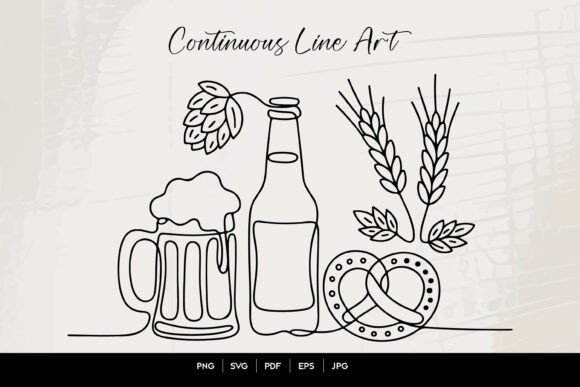
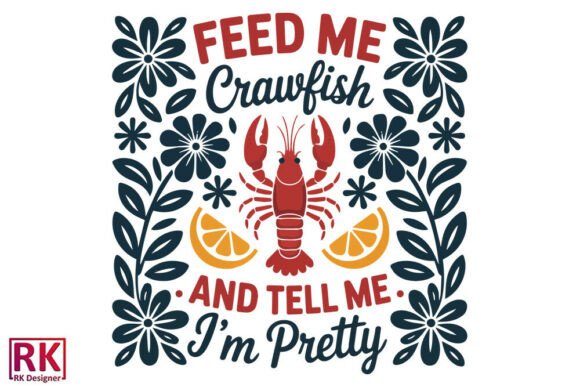
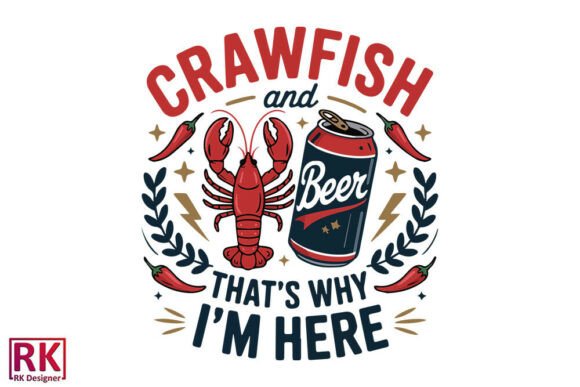
As someone who’s stitched hundreds of designs for clients—from boutique baby onesies to custom brewery merch—I opened Crawfish Beer Vibes expecting a fun, regional graphic with commercial potential. What I found was a confident, compact illustration: bold crawfish silhouette, tilted beer bottle leaning in, playful script lettering, and just enough detail to feel handmade without overwhelming the stitch field. It’s not “cute” or “minimalist”—it’s got personality, like something you’d see on a New Orleans food truck window or a craft fair apron.
Real-Life Test Run: Embroidering a Linen Tote Bag for a Local Brewery Pop-Up
Last week, I prepped a small-batch run of linen tote bags for a client launching a summer crawfish boil event. I chose Crawfish Beer Vibes as the centerpiece—not because it’s flashy, but because it reads clearly at 4.5 inches wide, holds up across fabric texture, and lands that casual-but-intentional vibe their brand needed. On the first test hoop, I used medium-weight cutaway stabilizer and 40-weight rayon thread. The design stitched cleanly: the crawfish outline held crisp satin stitch definition, the bottle cap stayed legible (no thread nesting), and the script lettering didn’t bleed—even though the “Vibes” tail curls tight near the bottle base.
That said, it’s not universally forgiving. On lightweight cotton poplin (think baby onesies or tea towels), I swapped to lightweight tear-away stabilizer and reduced stitch density slightly in the fill areas. Without that tweak, the dense fill behind the crawfish shell started to pucker. Lesson learned: Crawfish Beer Vibes shines on stable, midweight fabrics—but demands attention on thin or stretchy substrates.
Where This Design Truly Fits—and Where It Doesn’t
Crawfish Beer Vibes is strongest when treated like a signature motif—not a filler graphic. It works exceptionally well for:
- Custom apparel: Sweatshirt embroidery (left chest or sleeve), relaxed-fit tees, and unisex caps (when centered on the front panel)
- Handmade product lines: Embroidered patches for aprons, pillow covers, and kitchen towels—especially for Southern-themed boutiques or gift shops
- Personalized gifts: Baby embroidery on bibs or burp cloths (use simplified thread colors to avoid visual clutter), holiday stockings, or wedding weekend totes
- Small shop merchandise: As a digital embroidery file for Etsy sellers offering “add embroidery” upgrades, or as part of a themed craft business bundle
But here’s where caution kicks in:
- Curved surfaces: Avoid placing it across the crown of a baseball cap—the script lettering stretches awkwardly over seams unless digitized specifically for that shape
- Tiny hoops: Below 3.5 inches wide, the “Beer” text loses readability. Don’t force it into a 2-inch hoop for keychains or tiny patches
- Dark or textured fabric: On black terry cloth or heavy canvas, the fine line work around the crawfish claws can disappear. Boost contrast with metallic thread or add a subtle satin stitch border
- Frequent-wash items: For embroidered baby onesies or dish towels, reinforce with wash-away topping and double-check stitch density—dense fills hold up better than delicate running-stitch accents over time
Design Assets That Build Trust—Not Just Decoration
What makes Crawfish Beer Vibes more than just another graphics download? It carries intention. The layout balances negative space and detail so it doesn’t compete with garment texture. It reads instantly—no squinting, no decoding. That matters for customer trust: when someone orders a custom embroidered sweatshirt and sees this design stitched cleanly on the mockup, they *believe* the finished product will look professional. No guesswork. No “is that supposed to be a claw or a shadow?”
For Etsy sellers and craft fair vendors, that clarity translates directly to fewer returns, better reviews, and repeat buyers. I’ve seen too many listings fail because a cute design gets lost in stitching—either from poor digitization or mismatched fabric choice. Crawfish Beer Vibes avoids that trap. Its proportions are generous but contained; its line weight is consistent; and its focal point (the crawfish + bottle combo) anchors the eye without demanding extra embellishment.
Practical Designer Notes Before You Stitch
If you’re evaluating Crawfish Beer Vibes for your next embroidery project—or considering adding it to your own digital product shop—here’s what I recommend doing first:
- Test on scrap fabric that matches your final substrate (e.g., brushed poly-cotton for sweatshirts, linen blend for totes)
- Check thread color contrast—especially in the script. Try it in navy on cream, kelly green on charcoal, and white on red for versatility
- Review stitch density in the crawfish shell fill and bottle label area. High density adds durability; low density saves thread but risks gapping on looser weaves
- Confirm hoop size compatibility. If your machine uses 4×4 hoops, verify the design fits comfortably with ¼" margin all around
- Inspect small details under magnification: the tip of the crawfish antenna, the curve of the bottle cap, spacing between letters in “Vibes”
- Test black-and-white mockups—this design relies on shape and rhythm more than color, so grayscale previews should still communicate energy and theme
- Compare light vs. dark fabric backgrounds in your design software before sending to stitch
- Use proper stabilizer: cutaway for knits and stretchy fabrics, tear-away for stable wovens, wash-away for delicate surfaces like silk-blend tea towels
- Verify licensing before selling finished embroidered items or bundling Crawfish Beer Vibes into your own digital embroidery file packs
Bottom line? Crawfish Beer Vibes isn’t just a Crafts category graphic—it’s a working design asset. It bridges playful theme and professional execution. Used thoughtfully, it elevates a simple tote bag into a conversation starter, turns a plain sweatshirt into a regional statement piece, and gives small shop owners a ready-to-stitch element that feels both authentic and market-ready. Just remember: great embroidery starts with smart selection—not just pretty pixels.